

Laser and energy-based treatment chosen for your skin — not for the machine on the shelf.
The laser and energy-based aesthetics service of Chongqing West District Hospital plans light, radiofrequency, ultrasound, and microneedling treatment around a diagnosis and your skin type — inside a tertiary general hospital, with medical assessment, calibrated equipment, and honest statements of what each technology can and cannot do.
Diagnosis before device, a test spot before a full treatment, and honest limits on sessions, downtime, and results.
- Diagnosis before device
- Wavelength matched to the target
- Test spots and documented settings
- Tertiary-hospital safety net
Treatment that starts with a diagnosis, not a device
Whether the concern is pigment, redness, texture, or firmness, every plan follows the same three principles.
Diagnose & assess
Structured assessment of the concern, its depth, and your skin type — with an honest statement of what energy-based treatment can and cannot change. Pigment, redness, and texture each require a different target, and treating the wrong one is how disappointment and injury happen.
Select & test
Technology class and wavelength family are chosen to match the target, settings are adjusted for your skin, and a test spot confirms how your skin responds before a full area is treated. Settings are recorded so the next session starts from a known result.
Treat & protect
Healing is part of the treatment: barrier care, photoprotection, and sensible intervals between sessions. Pigment can return, vessels can recur, and tightening relaxes over time — we plan maintenance honestly rather than promising permanence.
Dedicated specialists within a tertiary hospital
The leadership team of the Plastic Surgery & Aesthetics Medical Center brings together specialists in skin and laser aesthetics, aesthetic surgery, plastic and reconstructive surgery, and dermatology, with the full safety net of a tertiary general hospital behind every treatment plan.

Ke He, MD (何锞)
Skin & Laser Aesthetics · Deputy Director
Head of skin and laser aesthetics and lead of this site’s clinical content; pigment, vascular, and scar treatment, full-cycle skin management, and laser planning by skin type, with 20+ years of laser and aesthetic dermatology experience.
View profile →
Tongchun Mao, MD (毛彤春)
Aesthetic Surgery · Deputy Director
Deputy Director and head of aesthetic surgery; the surgical partner to energy-based care — when laxity, scarring, or a lesion needs an operation rather than a device, and when a lesion should be excised rather than lasered.
View profile →
Shaoliang Wang, MD (王韶亮)
Plastic Surgery · Center Director
Center Director; the surgical backstop — excision of skin tumours, complex wound repair, and revision work, with 20+ years of tertiary-hospital surgical experience and the judgement of when not to treat.
View profile →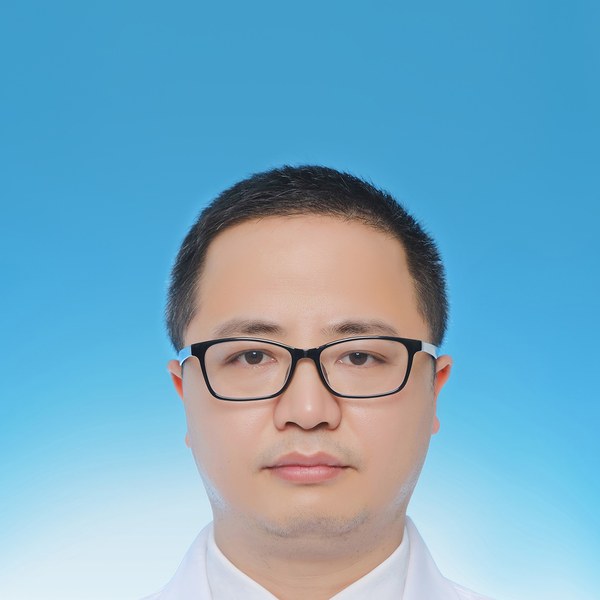
Yongbo Jia, MD (贾勇波)
Dermatology · Deputy Director
Head of dermatology; diagnoses the pigment, inflammatory, and scalp conditions that laser planning depends on — because a correct diagnosis decides whether a device is the right answer at all.
View profile →Technologies, explained honestly
Start with the basics: how laser light interacts with skin, how a device and its settings are chosen for a concern, what the safety systems are, and what downtime and risks each technology really involves.
The Laser & Energy Service in a Tertiary Hospital
What it means for laser and energy-based treatment to sit inside a tertiary general hospital: medical assessment, device governance, emergency backup, and honest limits.
Read the guide →How Lasers Interact With Skin
Selective photothermolysis in plain language: chromophores, wavelength, pulse duration, and why the same laser behaves differently on different skin.
Read the guide →Choosing the Right Device and Settings for a Concern
How a clinician matches a technology class, wavelength family, and settings to a specific concern, and why the operator matters more than the machine.
Read the guide →Laser Safety Systems: Why a Hospital Setting Matters
Eye protection, controlled areas, test spots, device maintenance, and the safety systems that turn a powerful light source into a predictable medical treatment.
Read the guide →Skin Type and Laser Planning
The Fitzpatrick scale explained, why melanin competes with every laser target, and how skin type changes wavelength, settings, intervals, and risk.
Read the guide →Laser Treatment Planning for Pigmentation
Epidermal and dermal pigment, why melasma behaves differently from freckles, and how a realistic pigment plan is built around sun protection and intervals.
Read the guide →We will not sell you certainty we do not have
No laser removes a concern permanently, and no energy-based treatment is risk-free. Pigment can return, vessels can recur, tightening is modest and temporary, and burns, post-inflammatory pigmentation, and scarring are real possibilities that we discuss before treatment rather than after. Anyone who guarantees a result, a permanent fix, or an absence of risk is not giving you honest medical advice. Our job is to help you decide well — including deciding to wait, or to do less.
Ready to discuss your skin and what can realistically change?
Reach out for a consultation. We will examine your skin, explain which technology class suits the concern and which does not, and set out the sessions, downtime, and risks involved — including the option of doing nothing.
Part of Lasers and Energy Devices — 22 sites on this topic